

Probiotics — defined by the FAO/WHO as “live microorganisms that, when administered in adequate amounts, confer a health benefit on the host” — have become one of the most dynamic segments within China’s health and nutrition ecosystem. The intersection of rising health awareness, consumer sophistication, scientific advancements and diversified application scenarios has positioned probiotics as a cornerstone of China’s health-oriented consumer economy.
Rising Demand for Probiotics is Driving the Asia Pacific
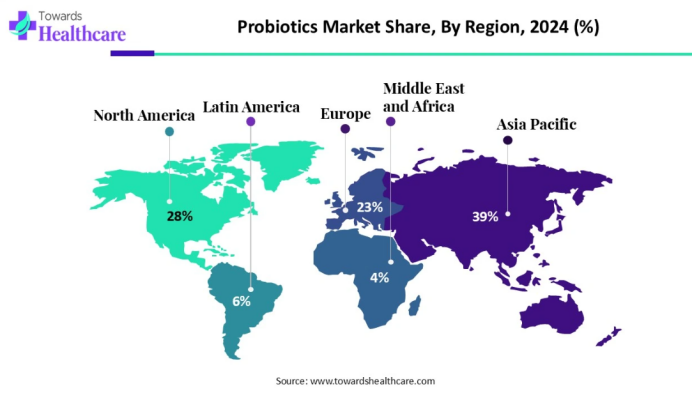
Asia Pacific dominated the probiotics market share by 39% in 2024. Due to the aggressive strategies of the multinational firms, the area is witnessing a significant increase in consumer consciousness. Strong demand from India and China contributes to the overall shift. Regional growth is also expected to be aided by the growing population, rising disposable income, and improved standard of living. Additionally, it is projected that the ongoing research and development efforts for the development of new strains with a broad variety of treatment options and the ability to withstand high temperatures would support the growth of the regional market during the projection period.
https://www.towardshealthcare.com/insights/probiotics-market-sizing
1. The China Probiotics Market Trends
China’s probiotics market has expanded rapidly over the past decade and continues to exhibit robust growth. According to industry estimates:
- The Chinese probiotics market reached approximately RMB 1,200–1,350 billion in 2024 and is expected to continue growing at double-digit annual rates driven by health demand and product diversification.
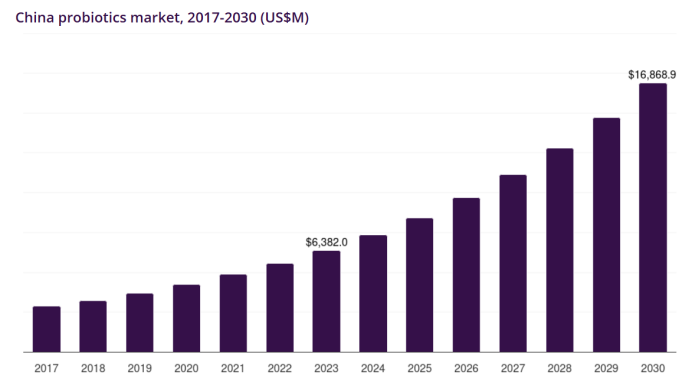
- In revenue terms, the China probiotics market was estimated at USD 6.38 billion in 2023 and forecast to expand to over USD 16.8 billion by 2030, reflecting strong long-term demand momentum.
China’s market growth outpaces global averages, buoyed by rapid expansion of consumer awareness and application extension from traditional dairy to dietary supplements, functional foods and beverages.
https://www.grandviewresearch.com/horizon/outlook/probiotics-market/china
2. Key Industry Players & Brand Landscape
China’s probiotics landscape features a mix of domestic champions, multinational brands and emerging functional-food innovators.
Traditional & Dairy-Linked Brands
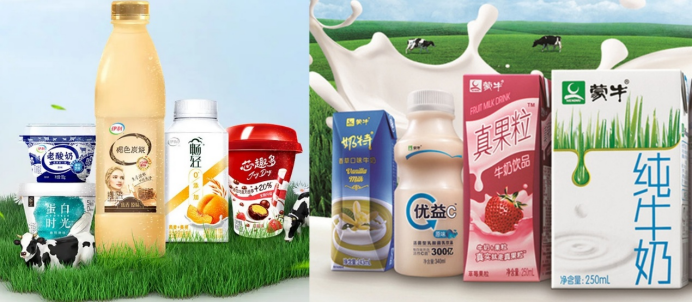
- Yili, Mengniu and other leading dairy companies have integrated probiotic cultures into yogurt, fermented dairy products and functional beverages — leveraging core competitive advantages in production and distribution.
Health & Nutrition Brands
- By-Health and Jiangzhong have built strong portfolios in probiotic dietary supplements, targeting digestive health, immunity support and general wellness.
Emerging Domestic Innovators
- Some local biotechnology firms are developing China-origin strains and tailored probiotic solutions aimed at digestive health, immune modulation and specific demographic needs such as pediatrics and aging. These propositions build on unique microbiome insights and endogenous strain collections.
3. Consumption Trends & Functional Hotspots
Probiotic consumption in China reflects both classical use cases and emerging lifestyle-driven trends. Main strain types: Lactobacillus, Streptococcus, Bifidobacterium.
Classical Health Use
Consumers historically purchase probiotics for:
- Digestive comfort and gut health
- Immune support
- Post-antibiotic recovery
This demand remains foundational, particularly among families and older adults.
Lifestyle & Functional Diversification
A new generation of consumers seeks probiotics for:
- Weight management
- Mood and stress support
- Sleep and overall wellness
- Integrated nutrition formulas combining probiotics with prebiotics, vitamins or botanicals
These trends are heavily featured in social-commerce narratives and short-video content.
Functional Beverages & Novel Formats
In addition to capsules and powders, functional probiotic beverages — including plant-based probiotics, kombucha and kefir-style drinks — are rapidly gaining traction, blending convenience with perceived holistic benefits.
https://store.mintel.com/report/china-attitudes-towards-probiotics-market-report
4. R&D Priorities & Scientific Innovation
The future of China’s probiotics industry will increasingly be shaped by science and evidence-based innovation.
Strain Characterization & Efficacy
Advanced microbiome research has encouraged probiotics developers to focus on:
- Strain-specific clinical evidence
- Mechanistic understanding of gut-immune or gut-brain interactions
- Customized formulations for target populations
such as infants, elderly adults, metabolic health pathways and mental wellness.
Regulatory Standards & Quality Improvements
Recent moves to establish industry norms — such as probiotic food coding standards and activity labeling guidelines — aim to standardize the marketplace and elevate product transparency.
Cross-sector Applications
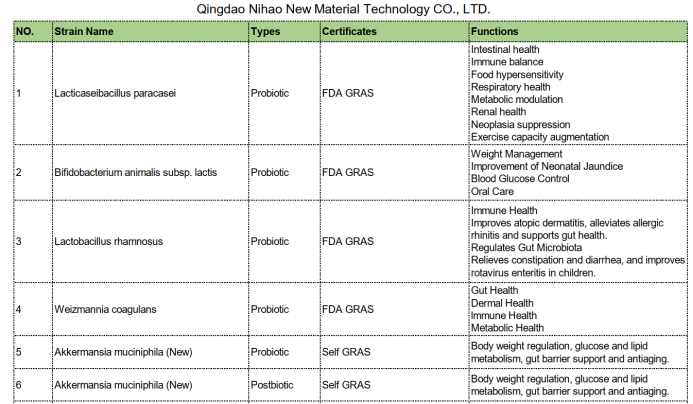
Nihao Probiotic R&D team is also extending into:
- Skin and topical microbiome products
- Functional combinations with postbiotics and synbiotics
This speaks to the broader “microbiome health” trend that transcends traditional digestive support.
Home – Nihaobio Probiotics learn more by link https://nihaobio.com/probiotics/
5. Challenges & Future Outlook
Despite rapid growth, China’s probiotic sector confronts challenges:
- Product labeling inconsistencies and regulatory ambiguity: Uneven labeling practices and varying quality claims have drawn regulatory scrutiny.
- Scientific evidence gap: Many probiotic products lack robust clinical validation, underscoring the need for evidence-based claims.
- Competitive intensity: Both multinational incumbents and agile local players compete for share in an increasingly sophisticated consumer environment.
However, with rising health awareness, digital commerce penetration and scientific refinement, the sector is poised for continued expansion and maturation over the next decade. According to forecast data, China’s probiotics market may reach nearly RMB 2,000+ billion by 2028 — positioning it as a significant global growth engine.
Conclusion
China’s probiotics industry has evolved from a niche dairy supplement category into a broad, scientifically informed and consumer-centric health sector. Strong market growth, diversified brand strategies, informed consumer demand and ongoing R&D are collectively shaping a sophisticated probiotics ecosystem. As innovation deepens and regulatory frameworks advance, probiotics are expected to remain a central pillar of China’s health and wellness economy.