
As consumers increasingly seek healthier diets and natural ingredients, sugar reduction has become one of the most important trends in the global food and beverage industry. This shift is particularly strong among women, who often lead household purchasing decisions and prioritize wellness, weight management, and metabolic health.
On International Women’s Day, it is worth highlighting how natural ingredients such as monk fruit extract are helping food brands develop healthier products while supporting women’s nutritional needs.
Derived from the fruit Siraitia grosvenorii, monk fruit extract has gained global attention as a zero-calorie natural sweetener with functional health benefits. For B2B food manufacturers, it offers a clean-label alternative to sugar and artificial sweeteners while aligning with growing consumer demand for wellness-focused products.
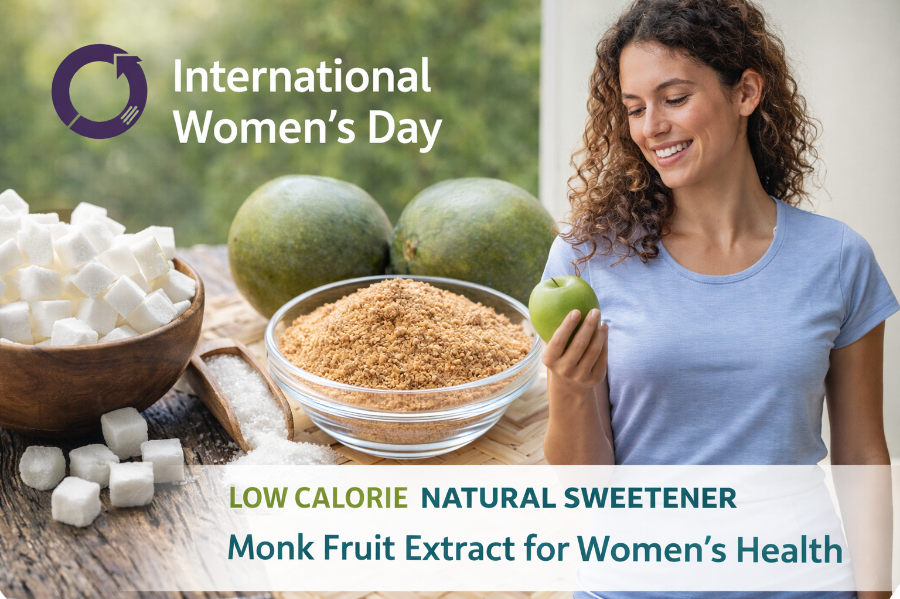
Why Sugar Reduction Matters for Women’s Health
Excess sugar consumption is linked to several health concerns including obesity, metabolic disorders, and cardiovascular disease. Global health authorities recommend limiting added sugar intake to less than 10% of daily calories, with further benefits seen below 5%.https://reurl.cc/2a42G6
Women are often more proactive about reducing sugar intake for several reasons:
- Weight management and calorie control
- Stable blood sugar levels
- Healthy aging and metabolic wellness
- Better energy balance throughout the day
As a result, food products labeled “no added sugar”, “low glycemic”, or “naturally sweetened” are increasingly appealing to female consumers.
This demand creates a growing opportunity for food brands to adopt plant-based sweetener solutions such as monk fruit extract.
What Is Monk Fruit Extract?
Monk fruit extract is produced from the dried fruit of Siraitia grosvenorii, a plant traditionally used in East Asia. Its sweetness comes from natural compounds called mogrosides, particularly mogroside V, which can be 100–250 times sweeter than sucrose while containing virtually no calories or carbohydrates. https://nihaobio.com/monk-fruit-extract/
Unlike sugar, mogrosides are not metabolized as glucose in the body, meaning monk fruit extract does not cause spikes in blood sugar levels.
For food manufacturers, this makes monk fruit extract a valuable ingredient for:
- Sugar-reduced beverages
- Functional nutrition products
- Low-calorie snacks
- Healthy desserts
- Women’s wellness formulations
Key Health Benefits of Monk Fruit Extract
1. Supports Blood Sugar Management
Because monk fruit sweeteners contain no digestible carbohydrates, they have little impact on blood glucose levels. Research suggests monk fruit extract may even help reduce post-meal glucose levels and insulin response when replacing sugar. https://reurl.cc/Dx1R2E
This property makes monk fruit extract particularly attractive for products targeting metabolic health, diabetes management, or balanced nutrition.
2. Provides Antioxidant Protection
Mogrosides—the active compounds in monk fruit—have demonstrated antioxidant and anti-inflammatory properties in scientific studies. These compounds help neutralize free radicals and reduce oxidative stress in the body.
Antioxidant-rich ingredients are especially relevant for women’s health products focused on:
healthy aging
skin health
immune support
3. Enables Zero-Calorie Sweetness
For consumers seeking healthier diets, calorie reduction remains a major goal. Monk fruit extract provides intense sweetness without contributing calories, helping manufacturers develop low-calorie or sugar-free formulations.
This makes monk fruit extract suitable for:
diet beverages
sports nutrition
weight management product
4. Clean-Label Natural Sweetener
Consumers increasingly prefer natural plant-based ingredients over artificial sweeteners. Monk fruit extract is derived from fruit and is widely recognized as safe for food use, contributing to clean-label product positioning.
This aligns well with modern female consumers who prefer ingredients that are:
recognizable
natural
minimally processed
Applications in Women-Focused Food and Beverage Products
For food and beverage manufacturers targeting the women’s wellness market, monk fruit extract can be incorporated into a wide variety of applications:
Beverages
functional drinks
herbal teas
flavored sparkling water
Healthy Snacks
protein bars
granola products
baked goods
Nutrition Products
meal replacement shakes
dietary supplements
collagen beverages
Dairy and Plant-Based Products
yogurt
plant-based milk
low-sugar desserts
Because monk fruit extract is highly concentrated, it can also be blended with other natural sweeteners such as erythritol or stevia to achieve desired sweetness profiles and mouthfeel in different formulations.
The Growing Market Opportunity
The global movement toward sugar reduction and natural ingredients continues to accelerate. Consumers are not only seeking healthier options but also expecting transparency and sustainability in food production.
Monk fruit extract offers food manufacturers several strategic advantages:
- Supports sugar reduction initiatives
- Enables clean-label product development
- Aligns with women’s health and wellness trends
- Provides high sweetness intensity with low dosage
As more consumers prioritize health-conscious lifestyles, natural sweeteners like monk fruit extract will likely become a key ingredient in next-generation food innovation.
Conclusion
International Women’s Day is an opportunity to celebrate progress in health, nutrition, and well-being. For food manufacturers, it also highlights the importance of developing products that support healthier lifestyles.
Monk fruit extract represents a powerful solution for sugar reduction, offering natural sweetness, metabolic advantages, and clean-label appeal. By incorporating monk fruit extract into new product development, brands can create innovative formulations that meet the growing demand for healthier foods—especially among women who actively seek balanced, nutritious diets.