
As the global food industry shifts toward clean label products, procurement teams in bakery companies are actively seeking natural food coloring solutions that can replace artificial dyes without compromising product appearance, stability, or cost efficiency.
Natural food coloring is essential for modern bakery practices.
Choosing the right natural food coloring is crucial for product development.
For ingredient buyers and product developers, the challenge is no longer whether to adopt natural food colors, but how to choose the right natural color ingredients for bakery applications.
This article explores how natural colors are being used in innovative bakery products and what procurement professionals should consider when sourcing them.
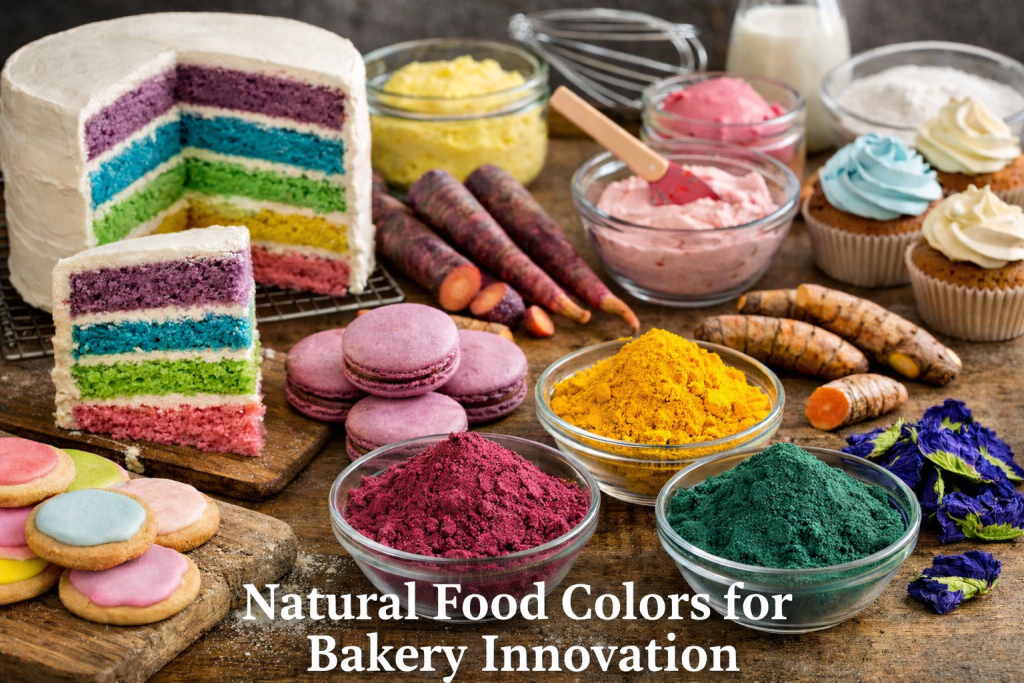
Natural food coloring provides a clean alternative to artificial dyes.
Why Bakery Brands Are Moving to Natural Food Coloring
Consumers increasingly prefer foods made with plant-based ingredients and natural color sources. As a result, bakery manufacturers are replacing synthetic dyes with vegetable- and fruit-derived pigments.
According to a market analysis by Grand View Research, the global natural food colors market continues to expand as manufacturers transition toward clean label food color ingredients.
Reference: https://bit.ly/3OZg8Ek
For procurement teams, this means sourcing ingredients that meet three key requirements:
Clean label compatibility
Heat stability during baking
Natural food coloring is increasingly becoming a preferred choice.
Many bakery manufacturers are adopting natural food coloring for health-conscious consumers.
Consistent color performance
These factors are particularly critical in cakes, cookies, biscuits, frostings, and bakery decorations, where color strongly influences consumer perception.
Key Natural Food Coloring Options for Bakery Applications
Several plant-based color ingredients have become popular among bakery manufacturers.
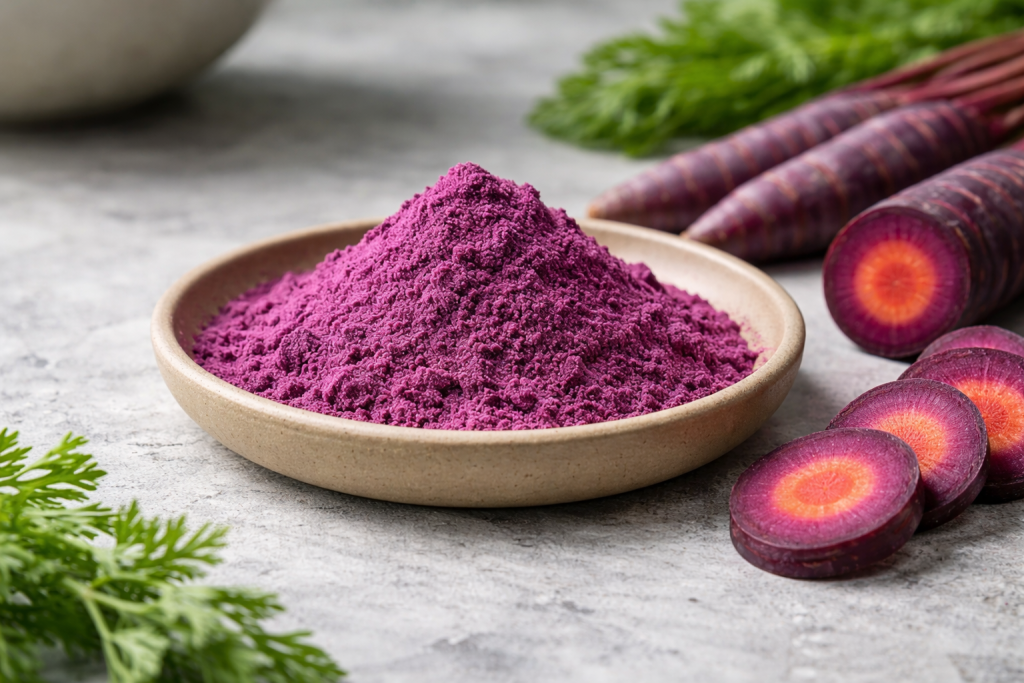
1. Anthocyanin-Based Colors (Purple & Red Shades)
Natural pigments rich in anthocyanins, such as purple carrot extract, are widely used to achieve purple, pink, or red hues in bakery products.
Typical applications include:
Macarons
Cake fillings
Frostings and icings
Fruit-flavored baked goods
Because anthocyanins are water-soluble natural pigments, they integrate well into fruit preparations, creams, and toppings.
More information about purple colors: https://bit.ly/46R7Xjq
2. Turmeric and Paprika Extract (Yellow to Orange)
For warm color tones, bakery developers often use turmeric or paprika-based natural colorants.
Common applications:
Sponge cakes
Custard fillings
Buttercream frosting
Bakery dry mixes
These ingredients provide vibrant color while maintaining clean label positioning.
3. Spirulina and Butterfly Pea (Blue and Green Shades)
Achieving natural blue shades was historically difficult, but spirulina extract and butterfly pea flower color now provide effective solutions.
These ingredients are particularly popular in:
Natural food coloring can transform standard recipes into visually appealing treats.
Decorative bakery toppings
Colored icings
Trend-driven products such as rainbow cakes or novelty pastries
Innovative Applications of Natural Colors in Modern Bakery ProductsNatural food coloring is no longer limited to simple decorative purposes. Food manufacturers are now integrating color directly into product innovation.
Color-Layered Cakes and Rainbow Bakery Products
Using multiple plant-based colors allows manufacturers to create visually striking layered cakes while maintaining a natural ingredient label.
Natural Colored Macarons
Macarons require vibrant colors to match flavors. Many brands now use natural purple food coloring or beetroot color to replace artificial dyes.
Clean Label Frosting and Icing
One of the fastest-growing segments is natural food coloring for frosting, where manufacturers aim to eliminate synthetic dyes while maintaining stable color performance.
Functional Bakery Products
With the rise of functional foods, some bakery brands combine natural colors with nutritional ingredients in:
Protein bakery snacks
Nutritional bars
Dietary supplement baked formats
Procurement Considerations When Sourcing Natural Bakery Colors
For procurement teams, selecting the right natural color ingredient involves more than just appearance.
Key factors include:
Natural food coloring enhances the aesthetic appeal of baked goods.
Investing in natural food coloring is vital for staying competitive in the bakery market.
1. Heat Stability
Baking temperatures can exceed 180 °C. Ingredients must maintain color integrity during processing.
2. pH Compatibility
Different bakery products have varying pH levels, which can influence pigment performance.
3. Supply Chain Reliability
Stable sourcing is critical as demand for natural pigments continues to rise.
4. Regulatory Compliance
Ingredients should meet international food safety and labeling regulations.
The demand for natural food coloring is rising as consumers seek transparency in ingredients.
Food industry trends confirm that manufacturers increasingly prioritize clean label ingredients and plant-based food colors in procurement decisions.
To meet consumer demand, many brands are exploring natural food coloring.
Reference: https://bit.ly/3OYoD2k
The Future of Natural Food Coloring in Bakery Innovation
The bakery industry is entering a new phase where visual appeal, clean label claims, and natural ingredient sourcing are equally important.
Natural colors derived from vegetables, fruits, and botanical sources are enabling food manufacturers to develop products that are both attractive and aligned with modern consumer expectations.
For procurement professionals, establishing partnerships with reliable suppliers of natural color ingredients will be key to supporting long-term product innovation.
Conclusion
Natural food coloring is becoming a strategic ingredient category in the bakery sector. From cakes and cookies to frostings and dry mixes, plant-based pigments offer new opportunities for product differentiation while meeting clean label demands.
As bakery manufacturers continue to innovate, procurement teams play a crucial role in identifying high-quality natural color solutions that balance functionality, stability, and supply reliability.
If you are exploring natural food coloring solutions for bakery applications, sourcing high-quality ingredients such as purple carrot extract, plant-based anthocyanins, and vegetable-derived pigments can help bring the next generation of bakery products to market.