
As Mexico’s food & beverage landscape transforms under rising health consciousness, natural sweeteners like stevia and monk fruit extract are gaining traction as alternatives to traditional sugar. This trend reflects broader consumer demands for clean-label, zero-calorie, organic, and low-glycemic solutions — creating new opportunities for manufacturers, suppliers, and B2B brands.
1. Natural Sweeteners: The Market’s New Frontier
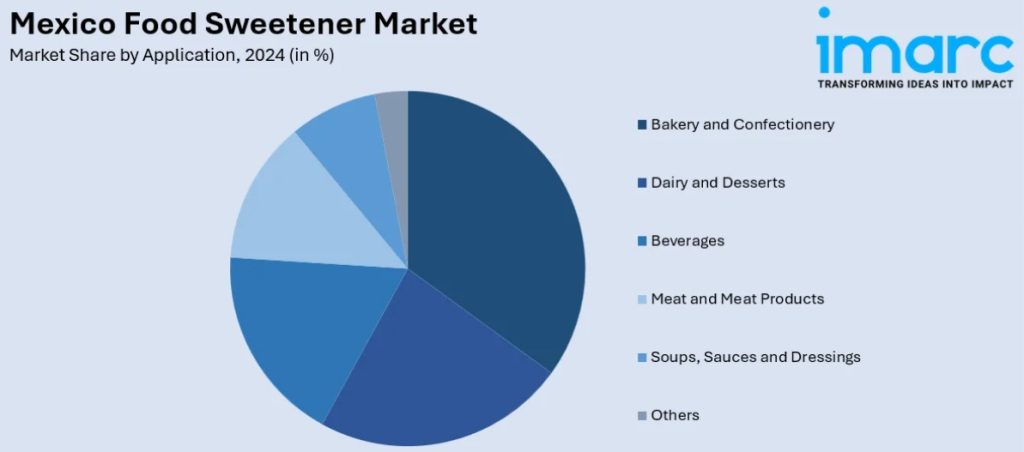
The Mexican sweetener market is undergoing a notable shift toward plant-derived, zero-calorie sweeteners, driven by consumer awareness of obesity, diabetes, and overall wellness. Natural ingredients free from artificial additives are increasingly featured not only in beverages but also in bakery, dairy, confectionery, and ready-to-eat products.
According to recent market reports, natural alternatives such as stevia extract and monk fruit are gaining preference as part of clean-label strategies and sugar-reduction goals. Manufacturers are exploring blends and formulations that maintain sweetness while reducing caloric and glycemic impact.
2. Stevia: The Established Plant-Based Sweetener
Source: Extracted from the Stevia rebaudiana plant and technology-refined into steviol glycosides, which can be 50–300× sweeter than sugar.
Flavor Profile: Some extracts may have a subtle aftertaste — often described as licorice-like at higher concentrations.
Applications: Widely adopted in zero-calorie beverages, bakery products, and dietary food formulations.
Stevia’s market presence in Mexico is supported by cultural familiarity and regulatory acceptance. Its zero-calorie profile aligns with consumers seeking weight control and diabetic-friendly products, especially in clean-label F&B categories.
Commercial Value
Stevia’s long-standing commercial use and broad supplier base make it cost-effective — a major factor in product formulation and price-competitive positioning within natural sweetener portfolios.
3. Monk Fruit Extract: Emerging High-Value Alternative
Plant Origin: Derived from Siraitia grosvenorii, monk fruit extract contains mogrosides, naturally occurring compounds that provide intense sweetness without calories.
Sweetness Strength: Monk fruit can be 100–250× sweeter than sugar in extract form — enabling significant sugar reduction with minimal use. https://nihaobio.com/monk-fruit-extract/
Zero Glycemic Impact: Neither calories nor carbohydrates raise blood sugar — making it suitable for keto, diabetic, and zero-calorie claims.
Monk fruit extract is increasingly incorporated into powdered blends, monk fruit sweetener products, and hybrid formulations that balance sweetness intensity with functional usability. Pure forms such as monk fruit extract powder appeal to brands focused on high-purity positioning and organic claims.
Application Benefits
Functional use across products: from beverages and syrups to confectionery and wellness foods.
Clean-label appeal: minimal processing and plant-based origins support organic and natural branding.
Suitability for keto and low-carb markets: especially when formulated without erythritol or other sugar alcohols.
4. Head-to-Head: Stevia vs. Monk Fruit
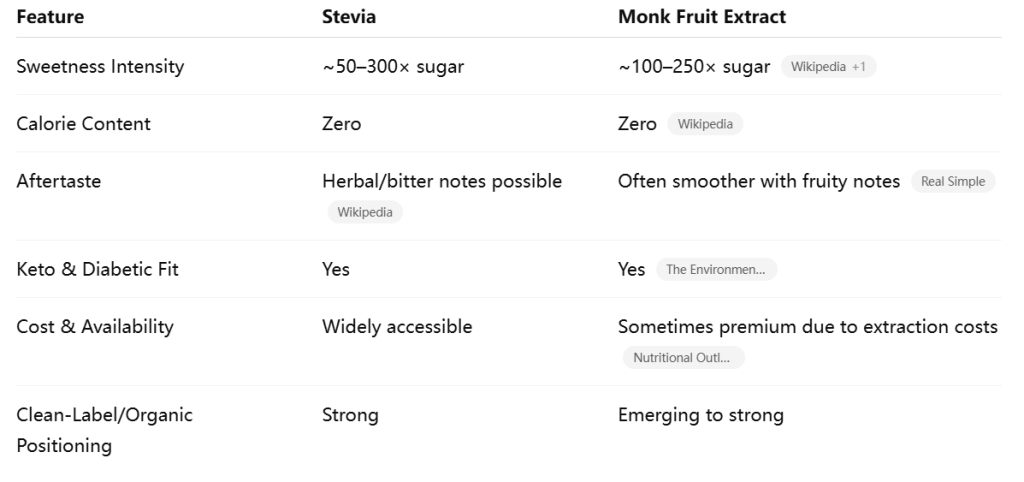
Stevia’s established infrastructure, cost profile, and broad use cases have made it a market staple. However, monk fruit extract’s smoother taste profile and antioxidant properties can make it a premium differentiator for brands seeking to go beyond typical sweetener claims.
5. Market Demand & Growth Trends in Mexico
Mexico’s sweetener landscape reflects rising health trends:
Clean-label Demand: Consumers increasingly seek natural, plant-based, zero-calorie ingredients that align with nutrition goals.
Sugar Reduction Strategies: Beverage, dairy, and confectionery producers are reformulating to reduce added sugars while maintaining product quality — driving adoption of stevia and monk fruit sweeteners.
Product Innovation: Companies are experimenting with organic sweetening solutions and novel blends that cater to keto, diabetic, and low-calorie segments.
Both natural sweeteners are positioned for future growth — with stevia likely retaining broader mainstream use, and monk fruit extract carving out premium, specialty niches based on functional, taste, and clean-label advantages.
6. Implications for B2B Brands
For suppliers, manufacturers, and ingredient innovators targeting Mexico:
Offer flexible formats such as monk fruit extract powder, liquid drops, and blends without erythritol.
Leverage key attributes like organic, zero calorie, keto-friendly, and natural on packaging and regulatory documentation.
Educate customers on formulation differences (e.g., taste, intensity, aftertaste profiles) to match use cases.
Useful Reference Links
Market overview of Mexico’s food sweeteners: Mexico Food Sweetener Market Size & Report — natural sweeteners are gaining share amid health trends.https://tinyurl.com/daweavwu
Industry outlook with trends on natural and low-calorie sweeteners: Mexico Food Sweetener Market Growth Analysis.https://tinyurl.com/ytya66r7
IMO article comparing monk fruit and stevia’s use cases and properties. https://tinyurl.com/c4hcmfed
Monk Fruit Extract Manufacturer & Natural Sweetener Supplier https://nihaobio.com/monk-fruit-extract/